
The Anchor of Downtown Elkhart

How A Restored Historic Theatre became an Economic Engine for Downtown Elkhart
Words by Avery Martin; Photos provided by The Lerner Theatre
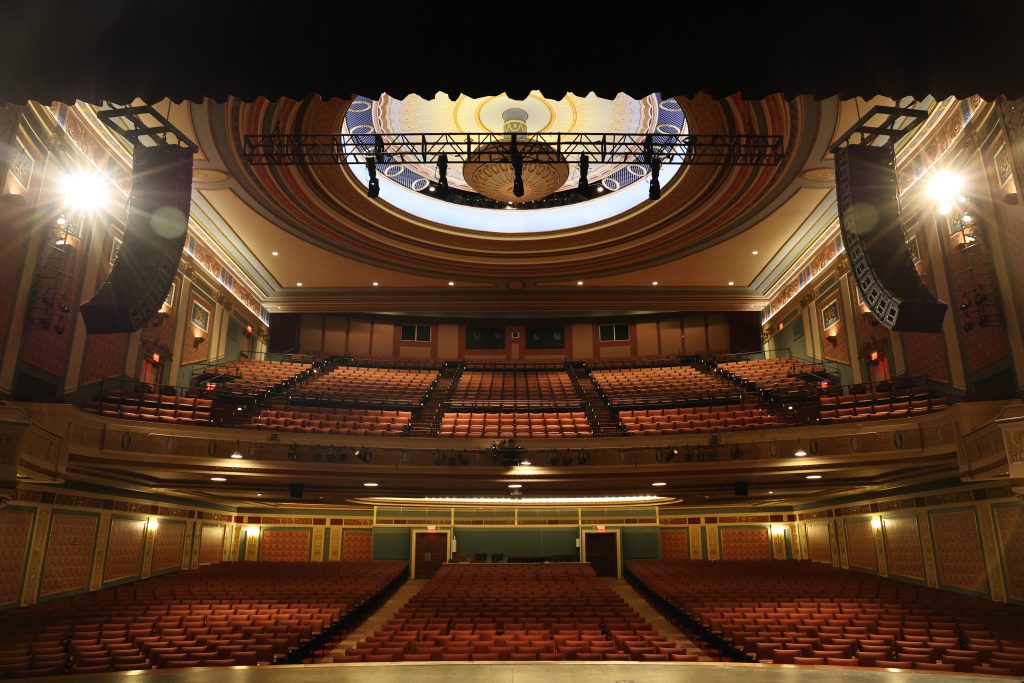
On show nights, The Lerner Theatre does more than fill seats. It brings people into downtown Elkhart, sends diners into nearby restaurants, adds foot traffic to the sidewalks, and gives residents and visitors a reason to gather in the center of the city.
Celebrating its 100th birthday this year, The Lerner Theatre stands as one of the clearest symbols of downtown Elkhart’s growth and momentum.
“What the Lerner Theatre does is bring people together,” says Carl Thompson, General Manager of The Lerner Theatre.
Originally opened on Thanksgiving Day in 1924 by Harry Lerner, the theater served as a centerpiece of downtown entertainment for decades. Over time, the building fell into disrepair as the city faced broader economic struggles. During the Great Recession, Elkhart was hit especially hard, forcing community leaders to rethink what the future of downtown could look like.
In 2009, Elkhart began a restoration project costing roughly $17 to $18 million before reopening the theater in 2011. That investment has become part of Elkhart’s broader turnaround story.
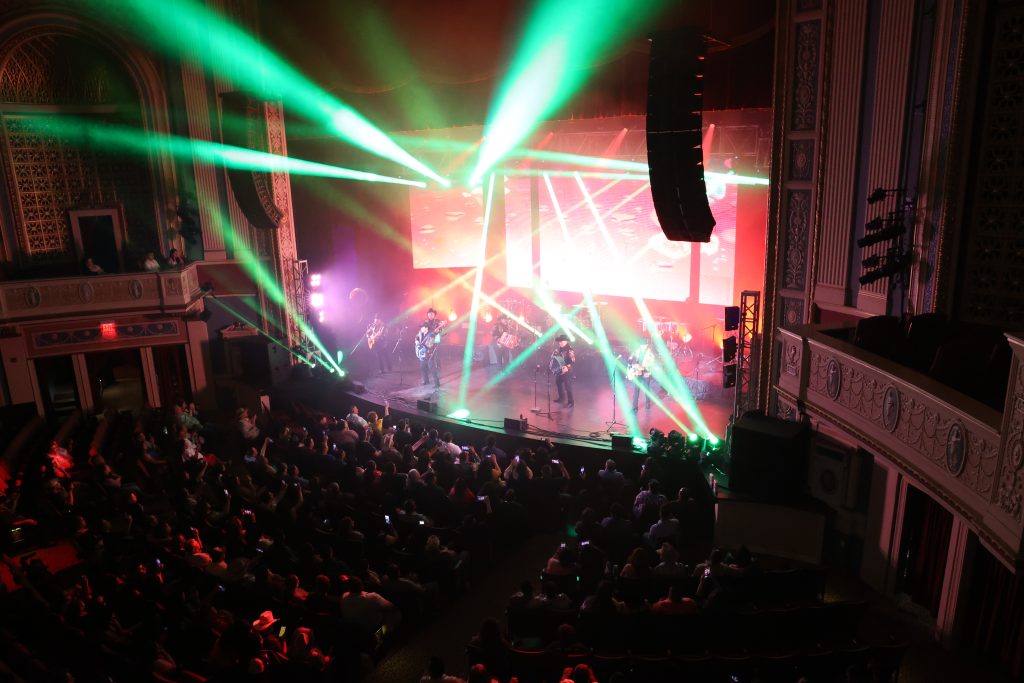
Mayor Rod Roberson points to the reopening of the theater as one visible marker in the city’s shift from decline toward renewed growth.
“From 2000 to 2010, our population had declined. After we opened up the Lerner Theater, our population turned those declines into positives.” He says. “We were tracking at a 4% decline. Now, we're tracking a 6% uptake since we opened up the Lerner Theater.”
Today, the theater continues to serve as an economic anchor for downtown. Last year, more than 53,000 people attended events at the Lerner, bringing visitors into local restaurants, shops, and businesses.
The theater’s impact also extends beyond ticketed performances. Through partnerships with Friends of the Lerner, Premier Arts, and the Elkhart County Convention & Visitors Bureau, the venue supports community events, arts education, youth programming, and regional tourism.
“These are programs that we want to continue on a routine basis to develop and grow because we feel not only is it the right thing to do, it also helps to make a better community and a better world,” Thompson said.
Events such as Celebration Under the Stars have also become a major draw. Thompson said organizers expected 5,000 attendees last year but welcomed nearly 15,000 people.
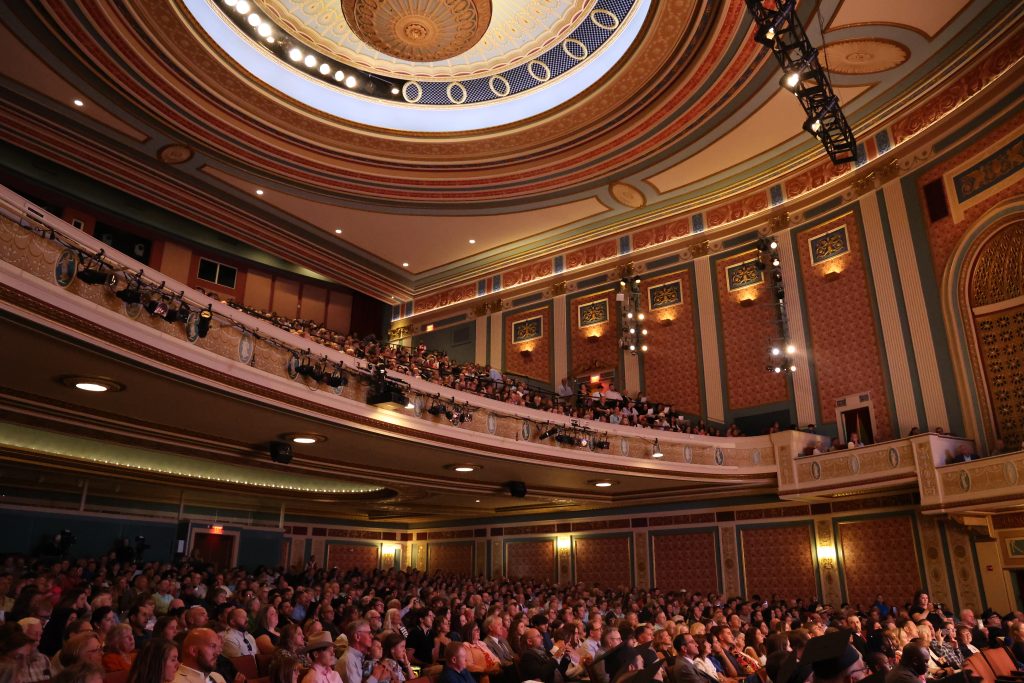
For Thompson, that kind of response points to a larger opportunity for the South Bend–Elkhart region. A thriving entertainment ecosystem, he says, depends on venues, civic leaders, tourism partners, arts organizations, and businesses working together instead of operating in silos.
“As we begin to partner together and work together, we find synergy where we can build programming, where we can build awareness, where we can build an audience,” Thompson said.
The Lerner Theatre’s story is not only about preserving a historic building. It is about what can happen when a city treats culture as infrastructure. A performance venue can bring people downtown, support local businesses, strengthen civic pride, attract visitors, and help a community see new possibilities in a familiar place.
One hundred years after it first opened, The Lerner Theatre remains a gathering place. It also stands as a reminder that arts and culture are not separate from economic development. In Elkhart, they helped write the next chapter of downtown.

