
Big Music in Small Places
Editor’s Note:
As part of our ongoing series, the Indiana Music Alliance is inviting leaders across Indiana’s music industry to share candid reflections on what they are seeing on the ground: what’s working, what’s not, and what it will take to create sustainable ecosystems that support musicians, venues, and the communities that love live music.
In this installment, we turn our attention to Wabash and northeast Indiana, where live music continues to thrive despite the challenges smaller communities face.
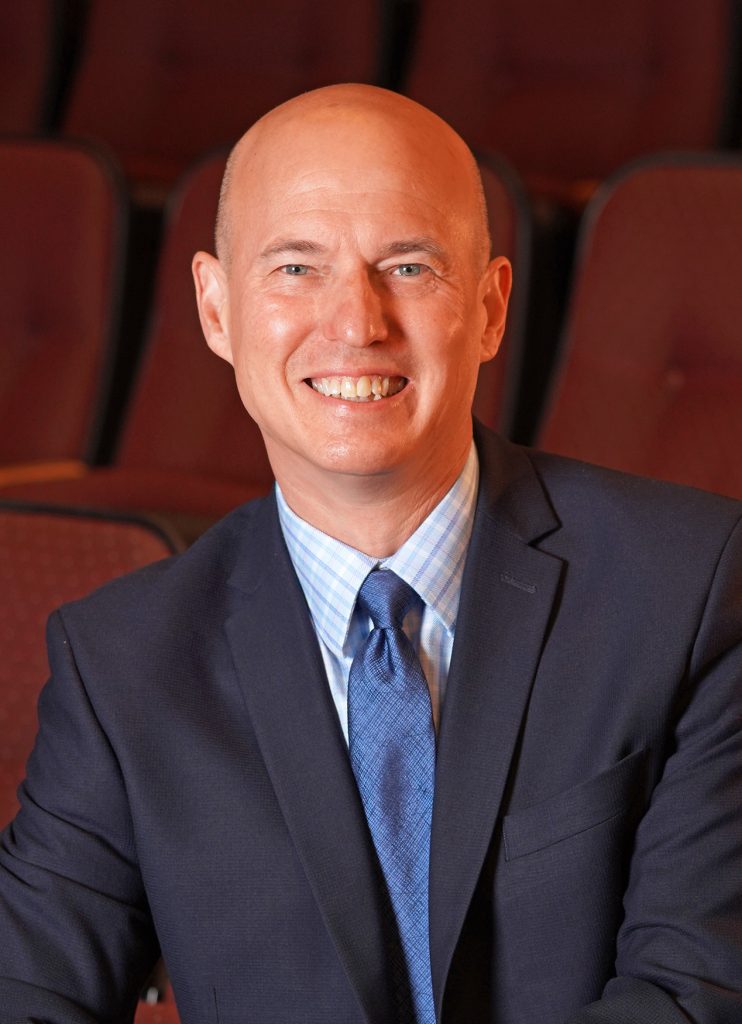
Tod Minnich, President and CEO of Honeywell Arts and Entertainment, brings a unique perspective as both a community leader and a champion for music education and live performance. Drawing on his experience guiding Honeywell’s programming, festivals, and educational initiatives, Tod shares a first-hand view of how venues, audiences, and artists come together to create a thriving regional music ecosystem.
Where Music and Community Meet
Words by Tod Minnich
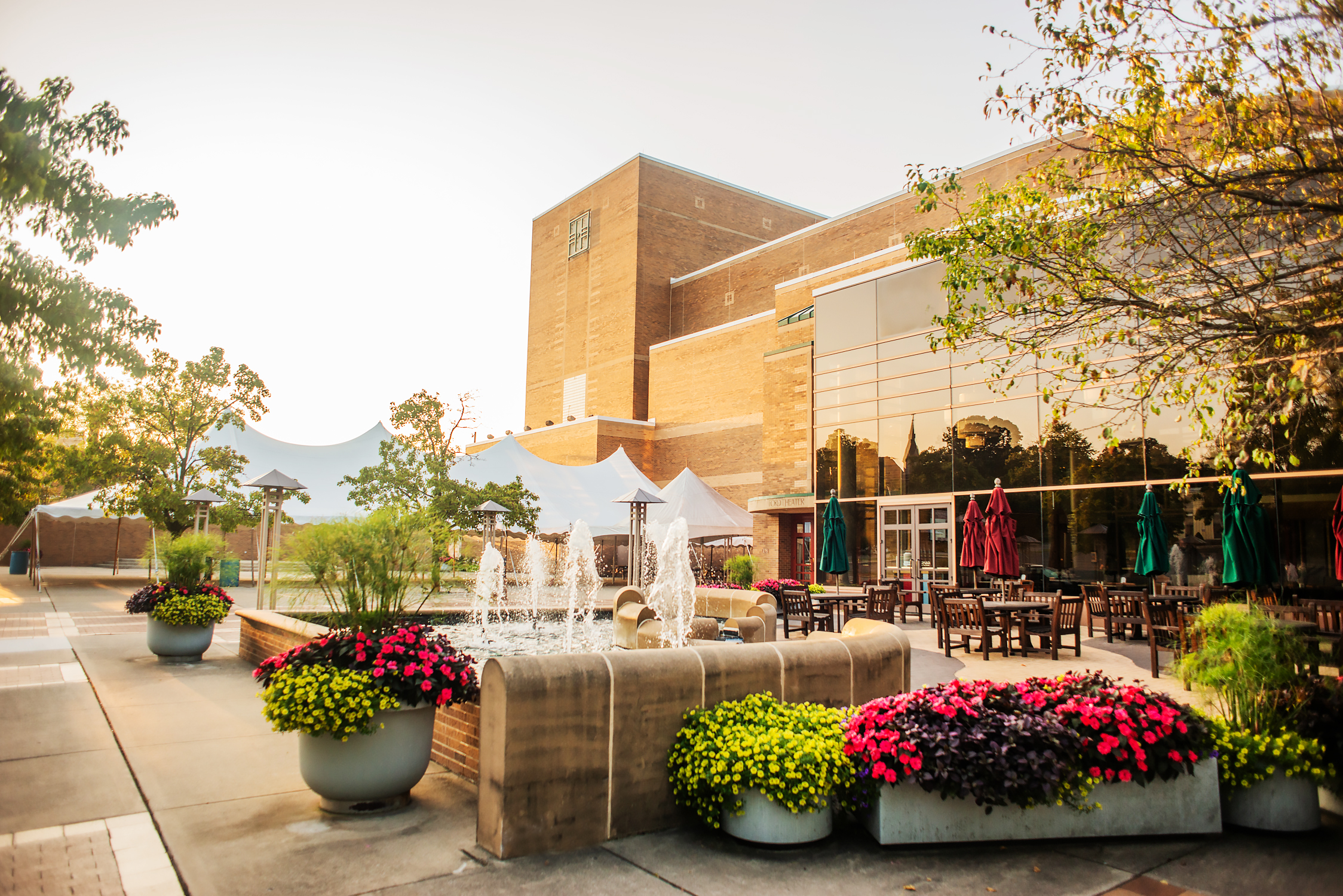
Live Music Thrives in Wabash
In 2025, live music in Wabash and north-central Indiana continued to draw audiences, with Honeywell and partner venues selling more than 145,000 tickets, and 79% of Honeywell Center and Eagles Theatre attendees traveling from outside Wabash County. At the same time, venues everywhere are navigating a complex environment balancing rising production costs, artist touring economics, and audience expectations while working to keep performances accessible.
What continues to encourage me is the level of participation we are seeing from people who want to be directly involved in the arts, particularly through music education. Across Honeywell Arts & Entertainment programs, students and community members are not just attending performances; they are actively learning and performing through music lessons.
Through Honeywell’s Arts For All initiative, we also offer workshops and camps that introduce participants of all ages to the arts. But the growth in music instruction has been especially meaningful. Seeing students, families, and community members engage with music as participants—not just audience members—reinforces how important it is for communities to create opportunities for people to learn, perform, and connect through music.
Smaller Towns Face Big Challenges
In many ways, the challenges in smaller communities are the same ones larger markets face…supporting artists, building audiences, and sustaining venues financially. The difference is scale, and that scale affects everything from ticket revenue to audience development. Smaller population bases and often lower household incomes mean every programming decision carries more risk in smaller markets.
What is sometimes overlooked is that venues and performance spaces in smaller communities often serve a much broader role. They are gathering places, educational resources, and cultural anchors for the region. That responsibility adds complexity, but it also makes the work incredibly meaningful when you see communities come together around the arts.
Venues as Cultural Anchors
Collaboration matters. No single organization has all the answers, and there is tremendous value in sharing knowledge and learning from others who are working through similar challenges. Organizations like the Indiana Music Alliance create opportunities for venues, artists, and presenters to exchange ideas, share best practices, and support one another. When organizations work together, they can learn faster and make better decisions. There is also real power in scale. When venues and music organizations across the state work collectively, their voice becomes stronger, whether advocating for the arts, supporting artists, or helping audiences discover new music. That kind of collaboration ultimately benefits everyone involved in the ecosystem.
A Pipeline for Talent
One of the things I’m most proud of is the continued growth of the Honeywell Arts Academy, serving 225 musicians from 22 countries. The program brings emerging musicians from around the world to Wabash through full scholarships and fellowship opportunities to study, perform, and continue developing their careers. The Academy is led by Grammy and Emmy award-winning Artistic Director Ranaan Meyer, along with an outstanding group of faculty, which allows these young artists to work with world-class musicians. It’s a powerful reminder that great music and great talent aren’t limited to major cities.
The Academy has become an important pipeline for emerging musicians. Many alumni go on to build successful careers and return to perform in our concert series, giving our audience the chance to see their growth as artists over time. Seeing that level of artistry develop here in Wabash is incredibly rewarding.
Why Artists Stay
Every market is different, and musicians are different as well. Smaller communities are not the right fit for every artist, just as large metropolitan markets are not the right fit for everyone either. The key for communities like Wabash is to understand their strengths and lean into them. Wabash has a long history of supporting the arts, and that authenticity matters. Artists who come here are stepping into a community that values live performance, music education, and creative expression. For many musicians, that kind of environment can be very appealing. It allows artists not only to perform, but also to teach, collaborate, and become part of the cultural life of the community.
Looking Ahead To 2026
One of the things I’m most excited about is expanding opportunities for smaller, more intimate live music experiences. Large venues will always play an important role, but there is something special about performances where audiences can connect with artists in a more personal setting.
Several initiatives underway in Wabash will help us grow that kind of programming. The integration of the Charley Creek Inn into Honeywell Arts & Entertainment creates opportunities to pair live music with unique culinary experiences and overnight stays. Spaces like the Green Hat Lounge Piano Bar already provide great environments for music, and we see opportunities to expand the live entertainment offered in that setting.
We are also excited about the renovation of Honeywell House, which will include an expanded 75-seat performance hall designed specifically for smaller performances. The expanded terrace and lawn spaces will also allow us to introduce new outdoor music experiences.
Together, these venues will allow us to present a wider range of artists and create more personal ways for audiences to experience live music in Wabash.
Show Up. Every Time.
The most important thing people can do is simple: show up.
Put the phone down, go see live music, and bring a friend with you. When people choose to spend time experiencing music together, it supports the artists, the venues, and the entire ecosystem that makes live performance possible.
In smaller communities, especially, participation matters. Every ticket purchased, every show attended, and every new person introduced to live music helps keep that momentum going.

