
Steve Versaw on Growth, Partnerships, and the Next Chapter
Words by Lydia Norton; Photos provided by the Buskirk-Chumley Theater
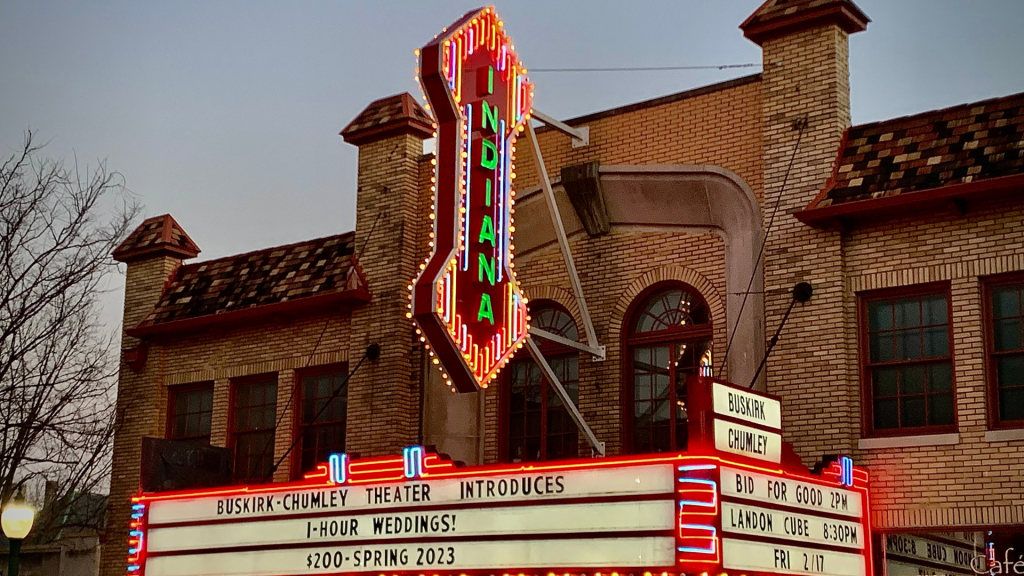
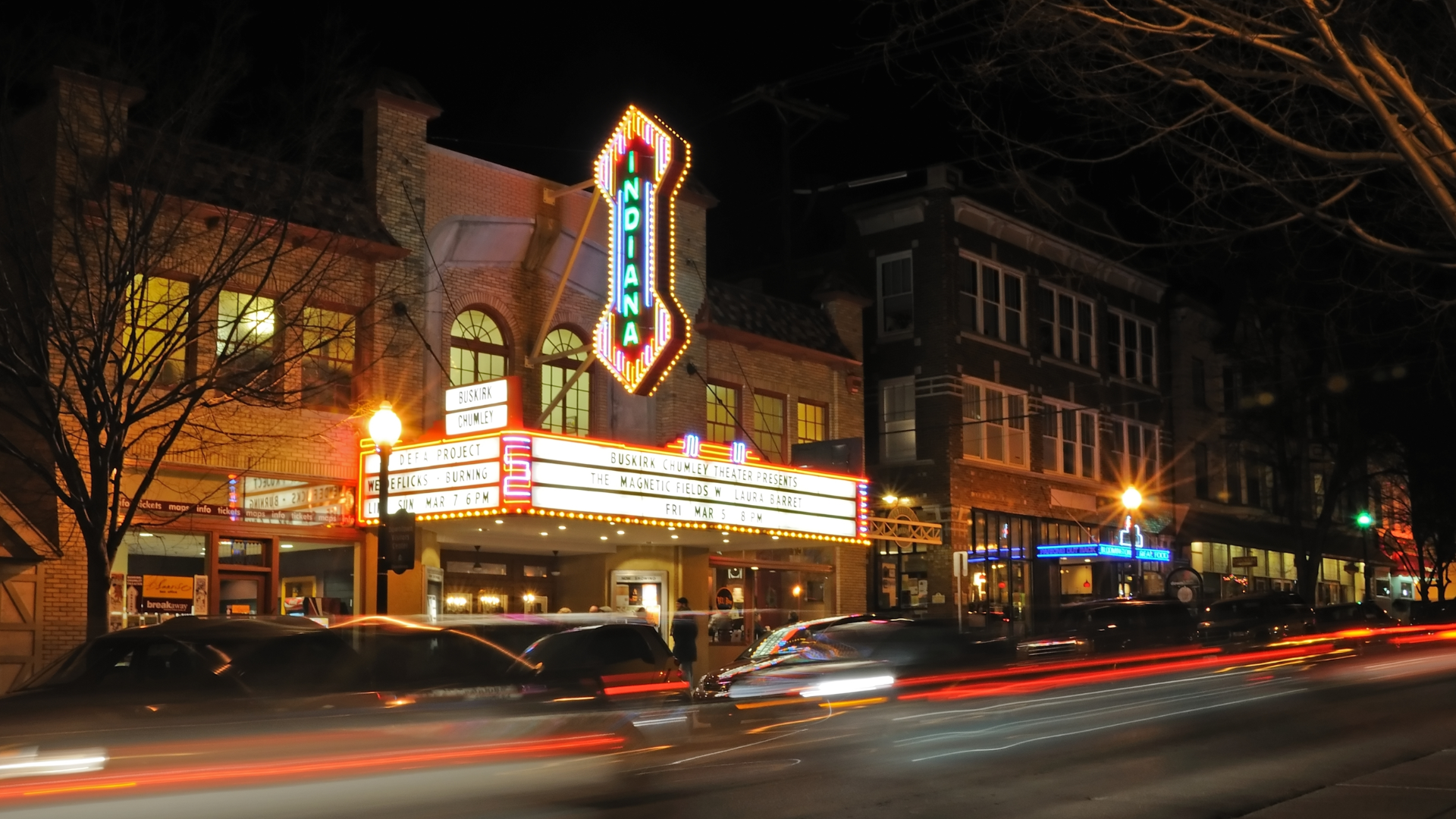
Originally opened as the Indiana Theatre in 1922, the Buskirk-Chumley Theater (BCT) stands as a landmark on Kirkwood Avenue, entertaining locals, college students, and visitors alike with about 200 shows a year. From screening early movies and hosting regular Hoagy Carmichael performances in the 1920s to presenting national touring acts and community events, it has remained a cultural anchor. Today, Executive Director Steve Versaw is working to ensure that its legacy not only continues, but grows.
We caught up with Versaw about the theater’s role in the community, the challenges facing independent venues, and what’s next for the BCT.
Lydia Norton: How does your venue impact the local Bloomington community?
Steve Versaw: Everybody I talked to, even before moving here, mentioned the Buskirk-Chumley. It's a huge staple in Bloomington. A lot of college kids come in and out of the community, and it's a nice part of their experience. The people who live here have a lot of history with this theater. Obviously, it's been around for quite a while: as a movie theater, a silent film house, a big theater with two screens, and now a nonprofit performing arts center. We have a real impact on folks who live here, and keeping that tradition alive is important to all of us here.
LN: What challenges do you face as an independent venue?
SV: One of them is that I don't think people truly know the BCT’s story. There’s a misunderstanding that we’re a city venue, and the city runs it, or Constellation Stage and Screen runs it. The reality is that we’re a 501(c)(3) nonprofit independent management company. We rely on donations and sponsors to make up our budget. We have a small, dedicated staff who works hard, and we want to take care of the entertainment business.
The venue and entertainment business isn’t a traditional nine-to-five job. There are several problems to solve, and the show must go on.
Donations make up about 6% of our annual budget, city support adds another 6%, and corporate sponsorships are close to 6%. More traditional nonprofits earn closer to 50% from donations. About 12-13% of our annual budget comes from outside support, and the rest is us working hard to make sure we can continue as a nonprofit community theater.
The other side of that is we give away several rent-free days to local nonprofits. We want this to be a community center. We need to cover our financial needs throughout the year by working, but we also give back to our community. As a nonprofit, we need to tell our story better to gain more understanding from the public, so they can add five dollars to their ticket as a donation. Right now we’re surviving, but we're not thriving.
LN: How do you feel the Indiana Independent Venue Alliance (IIVA) impacts independent venues like yours?
SV: I came from a for-profit world. I was independent my whole life until I worked for Live Nation–a multi-billion dollar corporation, running a 25,000-seat venue, selling beers for $20. It was a money-making prospect. One of the reasons I wanted to get out of it was to do something like community theater because that’s where my roots are. I truly believe independent venues have so much more soul. There’s a place for them throughout the country and the world, and the IIVA is an awesome resource.
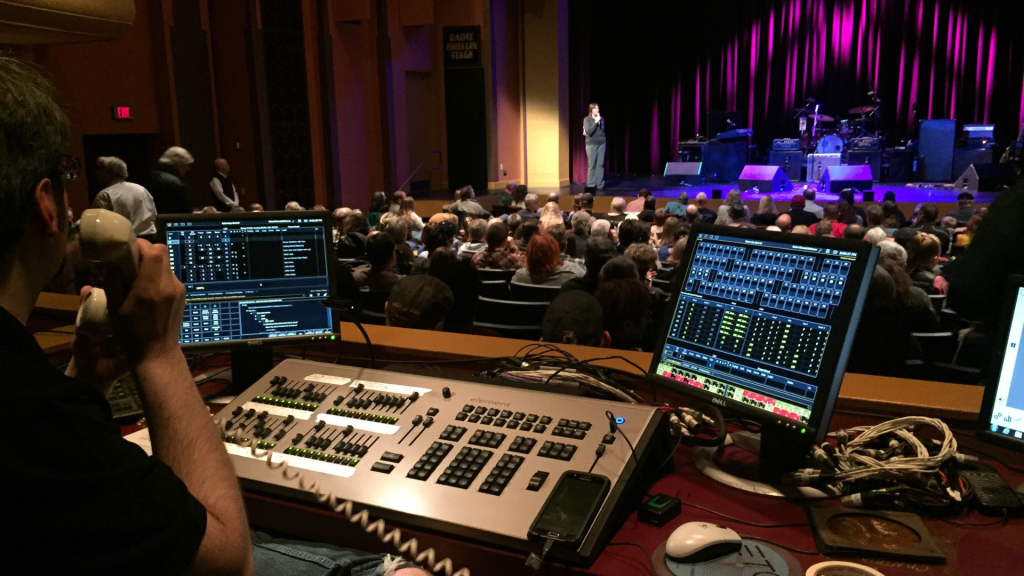
Each independent venue operates differently. For instance, the HI-FI has a bar with live music. On the other hand, we are not a bar. We have concessions that we close down. What we decide to promote and put in this theater is more community-based. We host local regional acts, films, dance, lectures, and a variety of performances because we're a community theater as opposed to solely a music venue.
LN: Have you seen any trends in ticket sales over the last couple of years?
Obviously, everything changed after 2020. For the smaller, independent venues that don't have the reach of Ticketmaster or the money behind it, it's been a slow build. When I started working at the BCT in 2023, we were just cranking out shows and trying to get people back into it.
There seems to be this constant up-and-down in 2026. People are holding their money closer to their chest; they're not buying tickets in advance, and they're waiting until much closer to the show to see if they even really want to spend that money. It feels like we’re following the pattern we're seeing with everybody financially, where everybody's a little stretched, no matter where you are.
But the entertainment industry doesn't stop. People still want to see things and be a part of something. One of the things I really like about this size theater is that it brings out a lot of humanity in people.
LN: What are you excited about? Are there any initiatives you want to share?
SV: I am extremely excited about our partnerships in Bloomington. I've toured and done lots of things in the industry, but it's really exciting to see this younger generation be introduced to music and performing on stage. I'm actually much more excited about servicing the community. We want to have something for everyone in Bloomington and the surrounding areas throughout the year, and that's what I'm excited about.
LN: How can your local community support your success?
SV: Go see something new. I try to take some chances and bring things to Bloomington that I know music lovers would want to see, whether they know who it is or not. Support independent venues by showing up. Buy tickets to events and donate to nonprofits. That is the best way to support us now as a nonprofit, and that's the best way to support any independent venue.

